

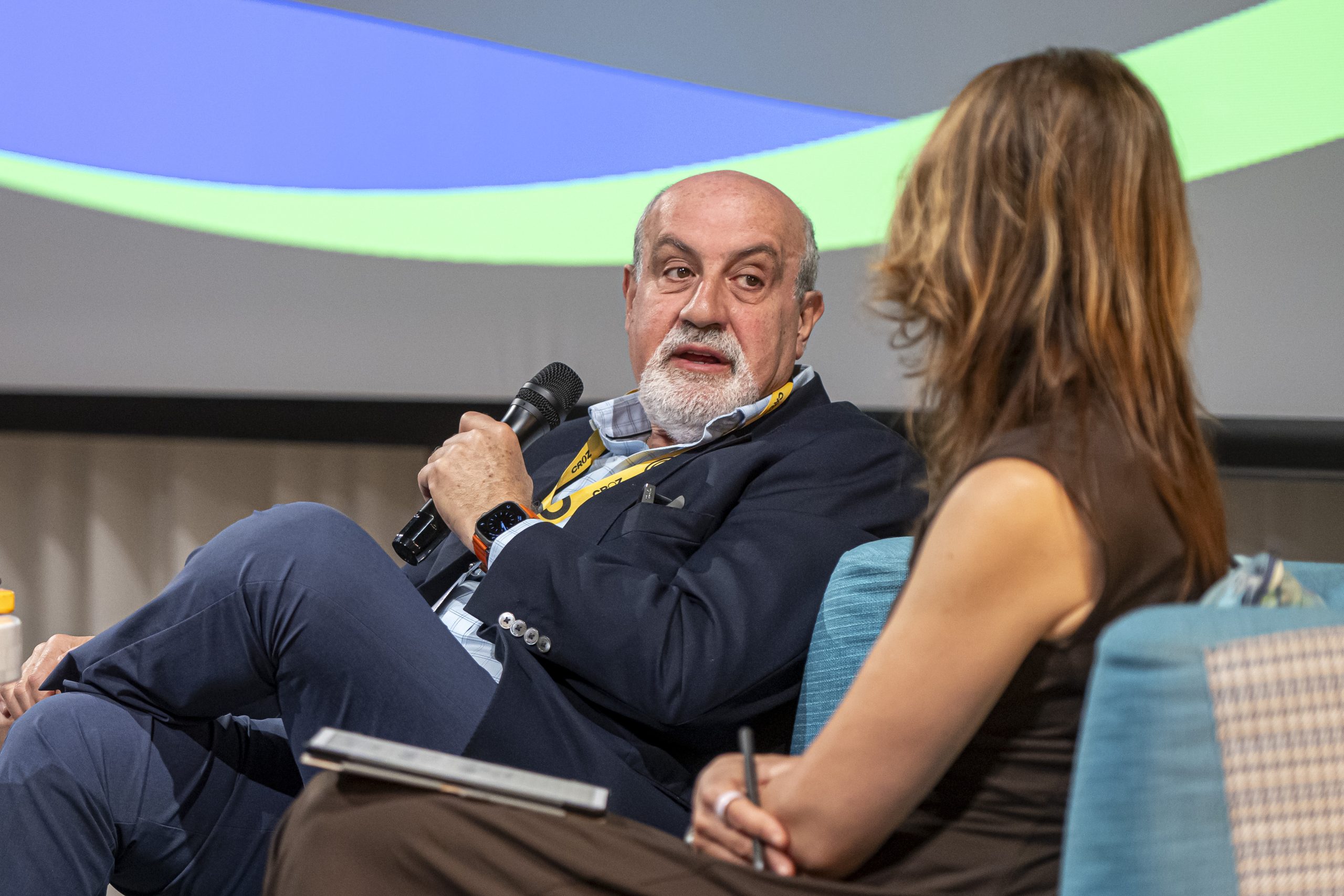
The 20th edition of QED Conference brought more than 250 participants to Zadar for three days of discussions on AI, leadership, digital sovereignty, infrastructure, quantum computing and the future of organizations.
This year’s theme, Collective, focused on what happens when knowledge, technology and people start working together differently.
Opening: AI and the Human Collective
The conference opened with Vedrana Miholić, Chief Revenue Officer at CROZ, who looked back at the ideas that shaped QED over the years: play, value, failure, creativity and trust.
The opening panel, “AI as a Partner in the Human Collective”, asked whether we are still shaping AI, or whether AI has already started shaping us.
One of the key reflections came from Boris Jokić, who spoke about AI as a possible turning point for education. In a world where information is instantly available, memorizing facts is no longer enough. Critical thinking, creativity and the ability to understand complex problems matter more than ever.
Keynote Talk: Nassim Nicholas Taleb
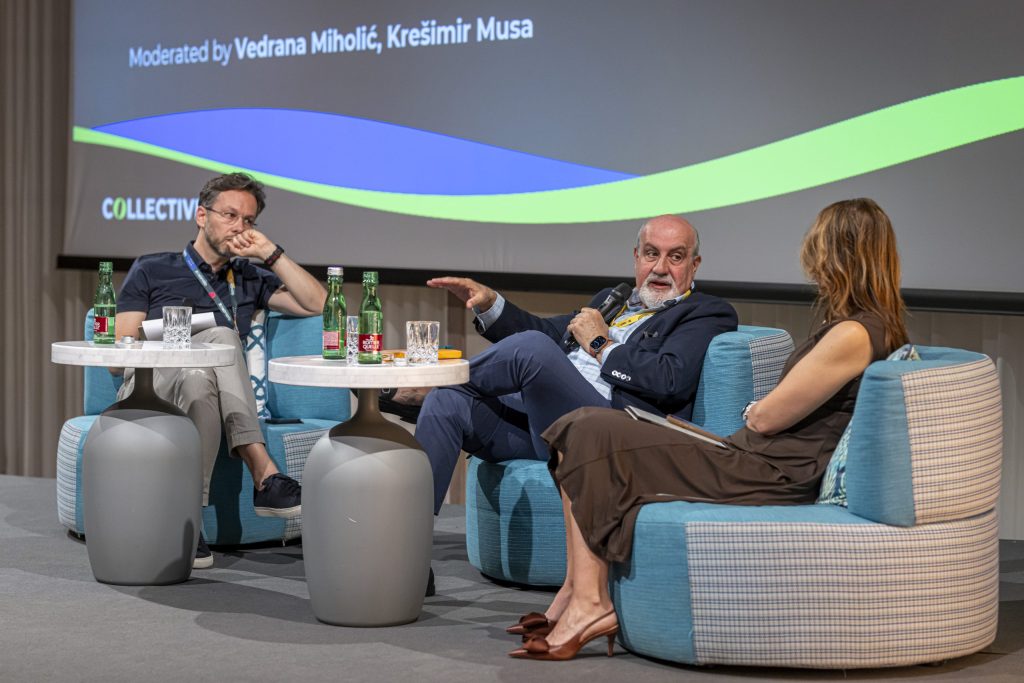
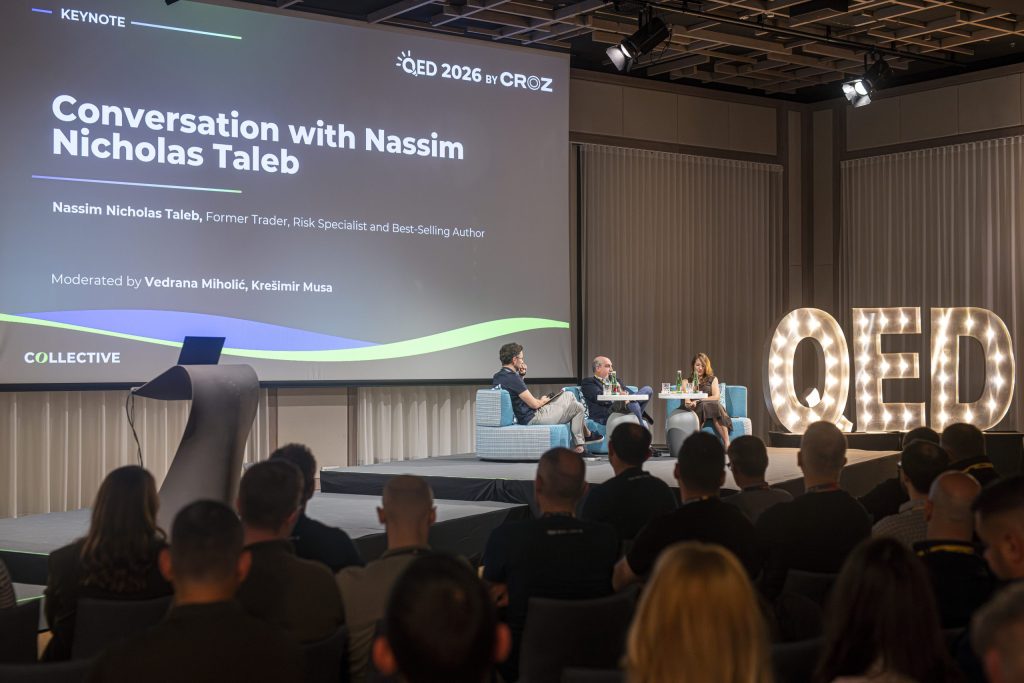
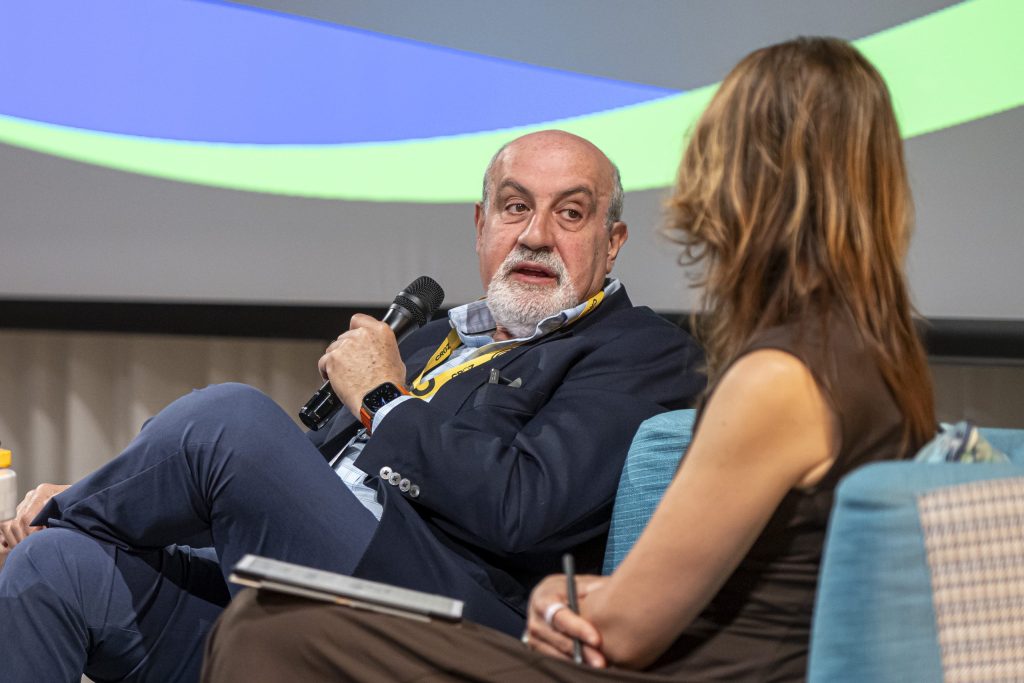
One of the most anticipated moments of QED 2026 was the keynote conversation with Nassim Nicholas Taleb, author of The Black Swan, Antifragile and Skin in the Game.
In conversation with Krešimir Musa, CTO at CROZ, Taleb spoke about antifragility: the idea that systems should not only survive stress, but become stronger because of it.
His message was practical: organizations need small mistakes. If every small failure is avoided or hidden, the system becomes weaker over time. Or, as Taleb put it: make many small mistakes and try to avoid the big ones.
He also touched on “skin in the game”, reminding the audience that decision-makers should also carry the consequences of their decisions.
Panels: Sovereignty, Partnership and AI Adoption
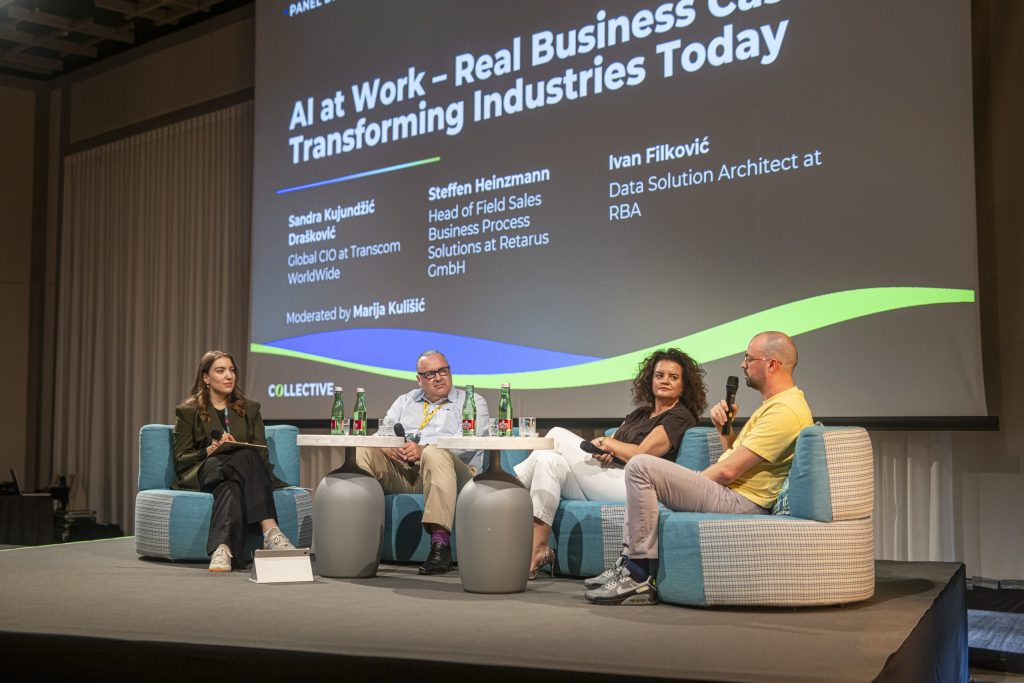
Several panels looked at the less shiny, but more important side of AI: governance, trust, responsibility and implementation.
A discussion on European digital sovereignty made one thing clear: sovereignty is no longer just a political concept. It is becoming a practical business question, from infrastructure choices to data, vendors and everyday operations.
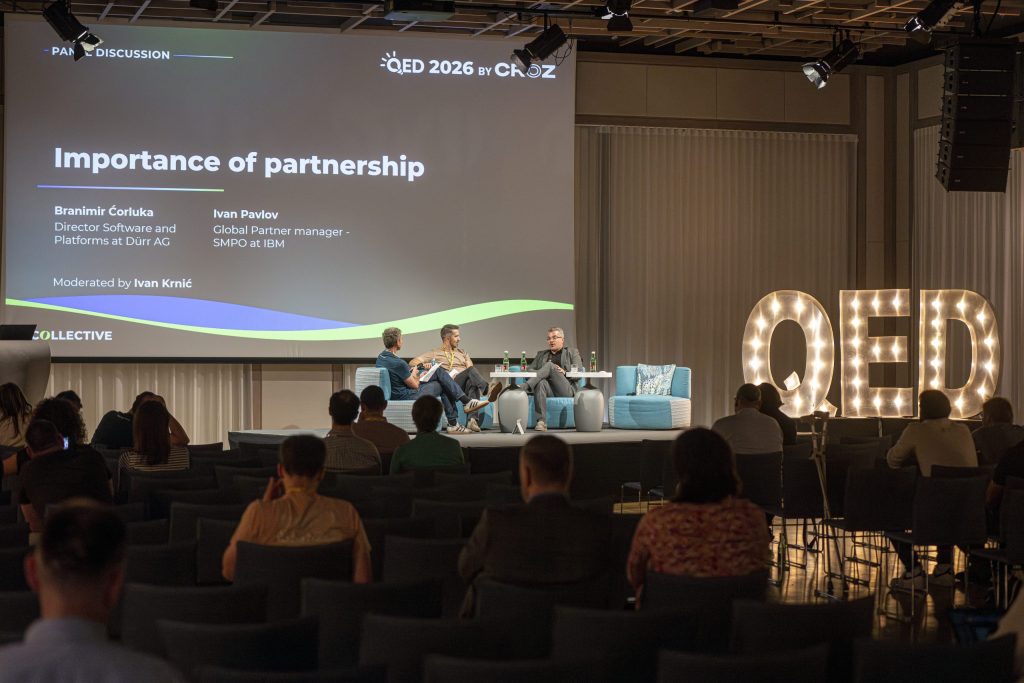
Another panel focused on partnerships between IT companies and clients. Moderated by Ivan Krnić, Director of Development at CROZ and Program Director of QED, the discussion emphasized that AI projects are not just tech projects. They change how organizations work, decide and collaborate.
Mighty Mainframe Conference
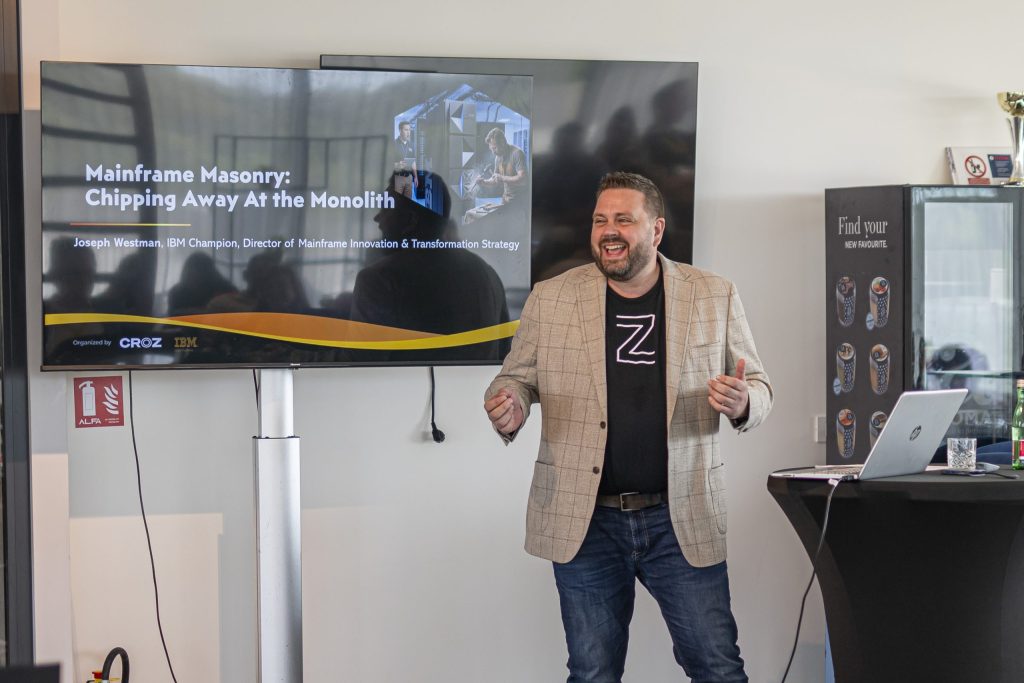
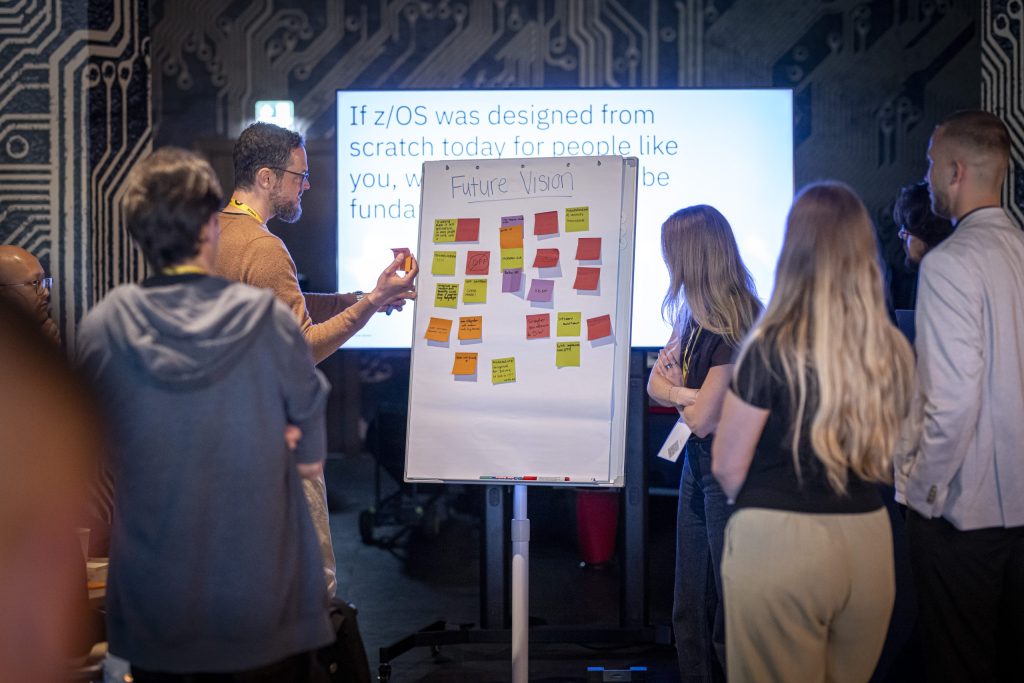
Alongside QED, CROZ hosted Mighty Mainframe Conference, a dedicated gathering for the mainframe community, experts, clients, partners and new talent. The conference focused on the role of mainframe in modern enterprise environments, from modernization and integration to skills development and the future of critical systems.
Mighty Mainframe also showed that mainframe is no longer a closed or isolated world. It is increasingly connected with cloud platforms, automation, DevOps practices and broader enterprise transformation initiatives. With participants from different countries and 15 students from Croatia and Belgium joining the program, the conference created space for both experienced mainframers and the next generation to exchange knowledge, ask questions and keep this important technology moving forward.
From GenAI to Autonomous Agents
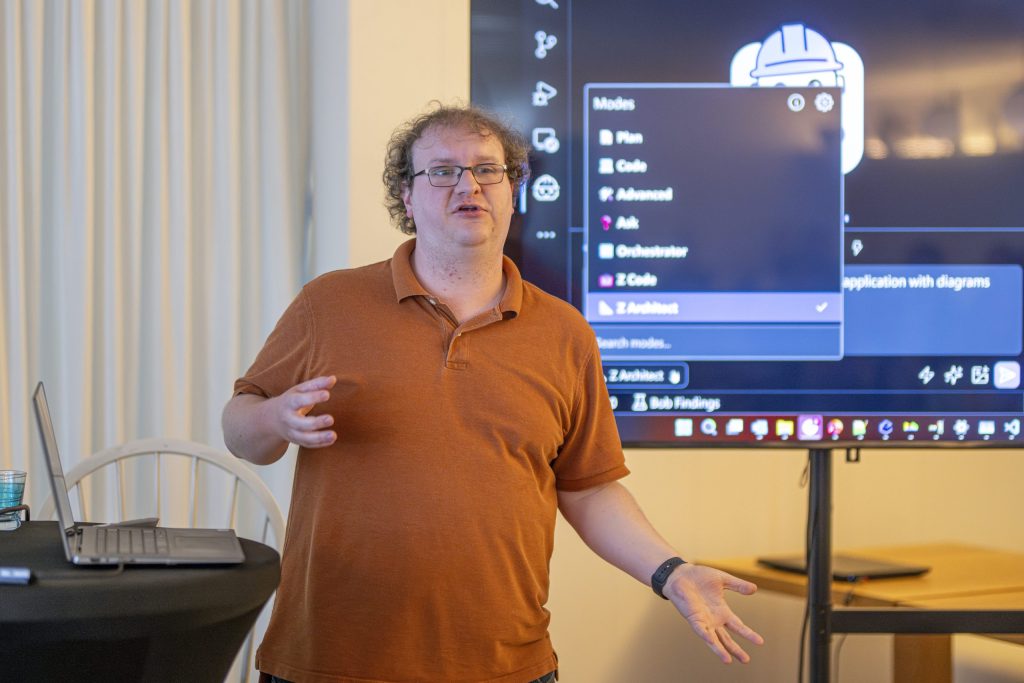
Sanjin Bićanić returned to the QED stage with a sharp overview of how enterprise AI has changed since 2023.
The focus is no longer only on GenAI assistants that write, summarize or answer questions. In 2026, the spotlight is shifting toward long-running agents: AI systems that can work on complex tasks over time, use enterprise data and cooperate with other agents.
AI is also moving up the priority list. What was recently an innovation experiment is now becoming a strategic board-level topic.
Infrastructure: The Part Behind the Demo
The final day turned toward the infrastructure that makes enterprise AI possible.
Red Hat spoke about platforms, GPU resources and model optimization, while Hitachi Vantara focused on data infrastructure and enterprise storage. Both sessions pointed to the same conclusion: AI does not run on ambition alone. It needs stable, scalable and reliable foundations.
Quantum Computing: Not a Distant Topic Anymore
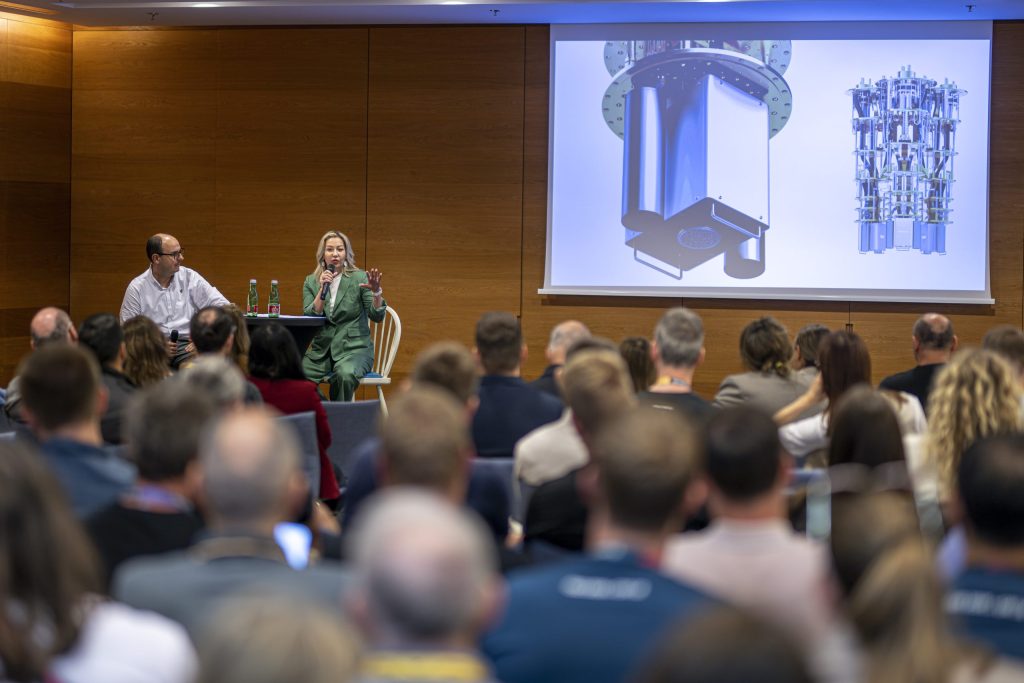
Quantum computing drew strong interest from the audience, especially in the session with Lana Ilović from IBM and Miroslav Čerkez.
The talk explained where quantum technology stands today, but also why companies should already prepare for its security implications. The key concept was Q-Day, the moment when quantum computers could threaten today’s cryptography.
The message was clear: quantum-safe security should not wait for the future.
Practice: AI Already at Work
QED also brought examples from companies that are already using AI in production.
Raiffeisenbank Hrvatska shared how AI systems have been creating value for years, both for clients and internal users. Nexi focused on how to move AI from isolated experiments to a real organizational capability.
International companies such as DATEV, Retarus, Dürr and Nürnberger Versicherung added another perspective, showing that organizations across Europe are dealing with similar questions: modernization, regulation, security and the balance between innovation and control.
Mighty Mainframe: No Longer an Island
In parallel with QED, CROZ hosted Mighty Mainframe, a conference dedicated to the mainframe community.
The focus was modernization of systems that still run critical parts of society, from finance and healthcare to public administration. CROZ also supported 15 students from Croatia and Belgium with free participation, helping bring new talent into the mainframe world.
The message was simple: mainframe is no longer an island. It is becoming part of the wider enterprise technology ecosystem.
Closing: Time to Take Initiative
Vedrana Miholić closed the conference with a striking thought: three human years can feel like 300 AI years.
She also announced that the next QED will focus on initiative. In other words, not waiting to see what happens next, but taking responsibility, making decisions and actively shaping what comes next.
After 20 years, QED remains what it has always tried to be: a place where technology is discussed through people, not around them.